
6472 Camden Ave, Suite 100, San Jose, CA 95120
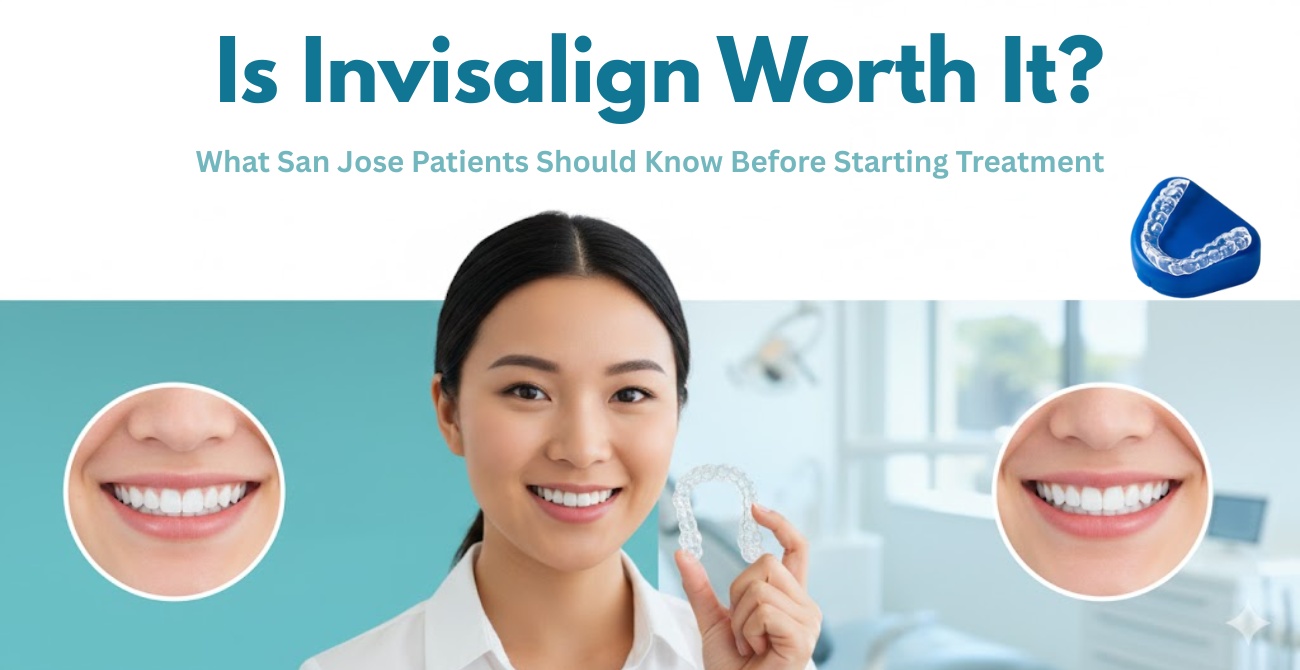
A confident smile matters. It affects how you show up at work, how you feel in photos, and how comfortable you are in social settings. In a city like San Jose, where professionals juggle tech careers, networking events, and weekend hikes in Almaden Quicksilver Park, appearance and convenience both play a role in daily decisions.
Teens balancing school and activities, and adults managing meetings and family life, often ask the same question: Is it really worth committing to clear aligners for months? Is Invisalign treatment a smart investment of time and effort?
This guide gives you straight answers. You will learn how it works, who it helps most, its limitations, and what long-term value looks like. By the end, you will be better equipped to decide if it fits your goals and lifestyle.
What Is Invisalign and How Does It Actually Work?
Clear aligners are custom-made plastic trays designed to gradually move your teeth into better alignment. Instead of brackets and wires, this system uses a series of removable trays that fit snugly over your teeth.
The process starts with a digital 3D scan. No messy impressions. The scan captures detailed images of your teeth and bite. From there, specialized software maps out precise movements step by step. You can even preview how your smile may look at the end.
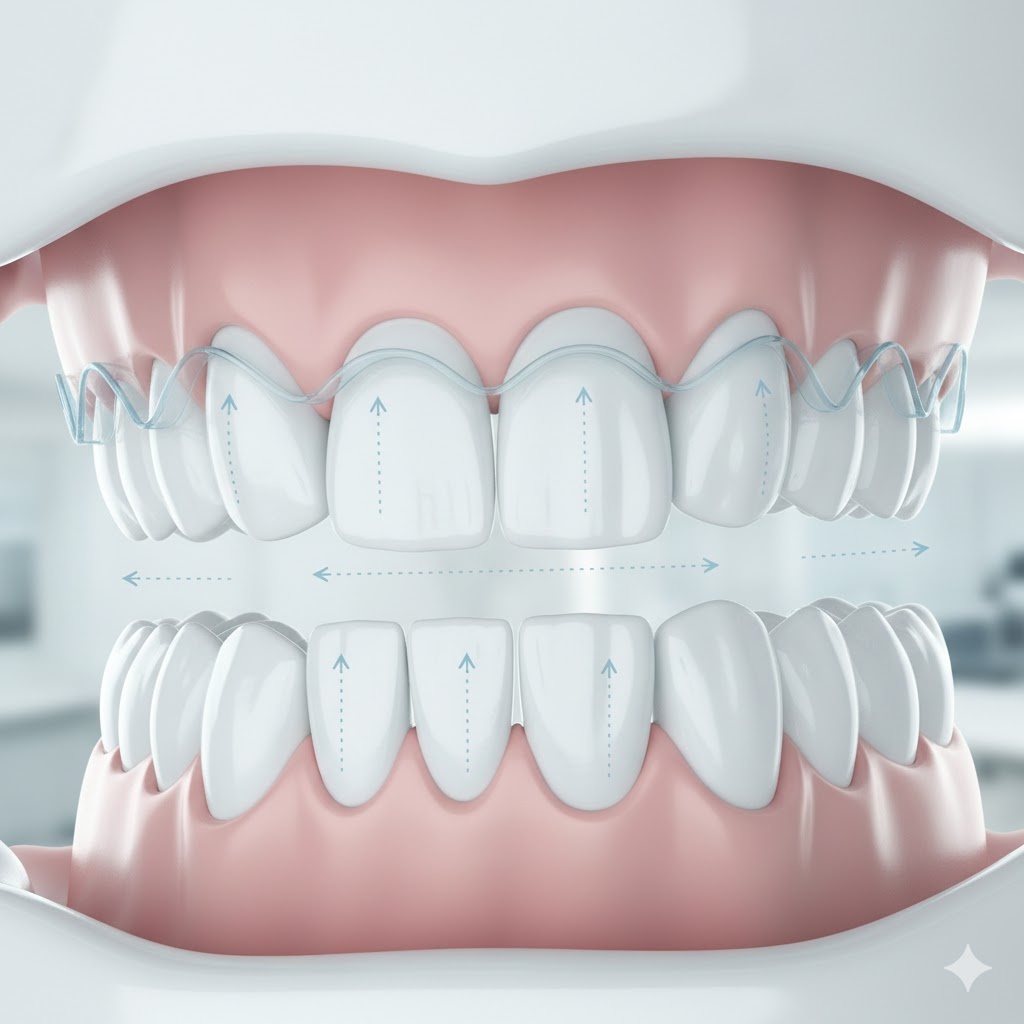
Each set of trays is worn for about one to two weeks. As you progress through the series, your teeth shift in small, controlled increments. This differs from traditional braces, which apply continuous pressure through wires adjusted at in-office visits.
Most treatment timelines range from 6 to 18 months, depending on case complexity. Mild spacing may finish sooner. More involved bite corrections can take longer.
The key difference is control and predictability. Digital planning allows your provider to visualize tooth movement before you even begin. At Almaden Valley Smile Design, this technology helps create a customized plan tailored to your bite, not a one-size-fits-all approach.
Why So Many Adults in San Jose Are Choosing Clear Aligners
Discretion matters in professional settings. Many San Jose residents work in tech, healthcare, and business environments where appearance and confidence count. Clear trays are far less noticeable than metal brackets, making them appealing for meetings, presentations, and client interactions.
Removability is another advantage. You can take aligners out while enjoying sushi in Japantown or grabbing tacos on Willow Street. There are no food restrictions, which means you do not have to give up your favorite meals.
Comfort also plays a role. Smooth plastic trays reduce irritation compared to wires and brackets. There are fewer urgent visits for broken hardware, which helps busy adults stay on schedule.
Active lifestyles benefit as well. Whether you are biking through Almaden Lake Park or attending local festivals downtown, removable trays fit easily into daily routines.
For many adults, the appeal is simple: subtle treatment that adapts to life rather than disrupting it.
What Invisalign Can Fix and What It Cannot
Ideal Conditions
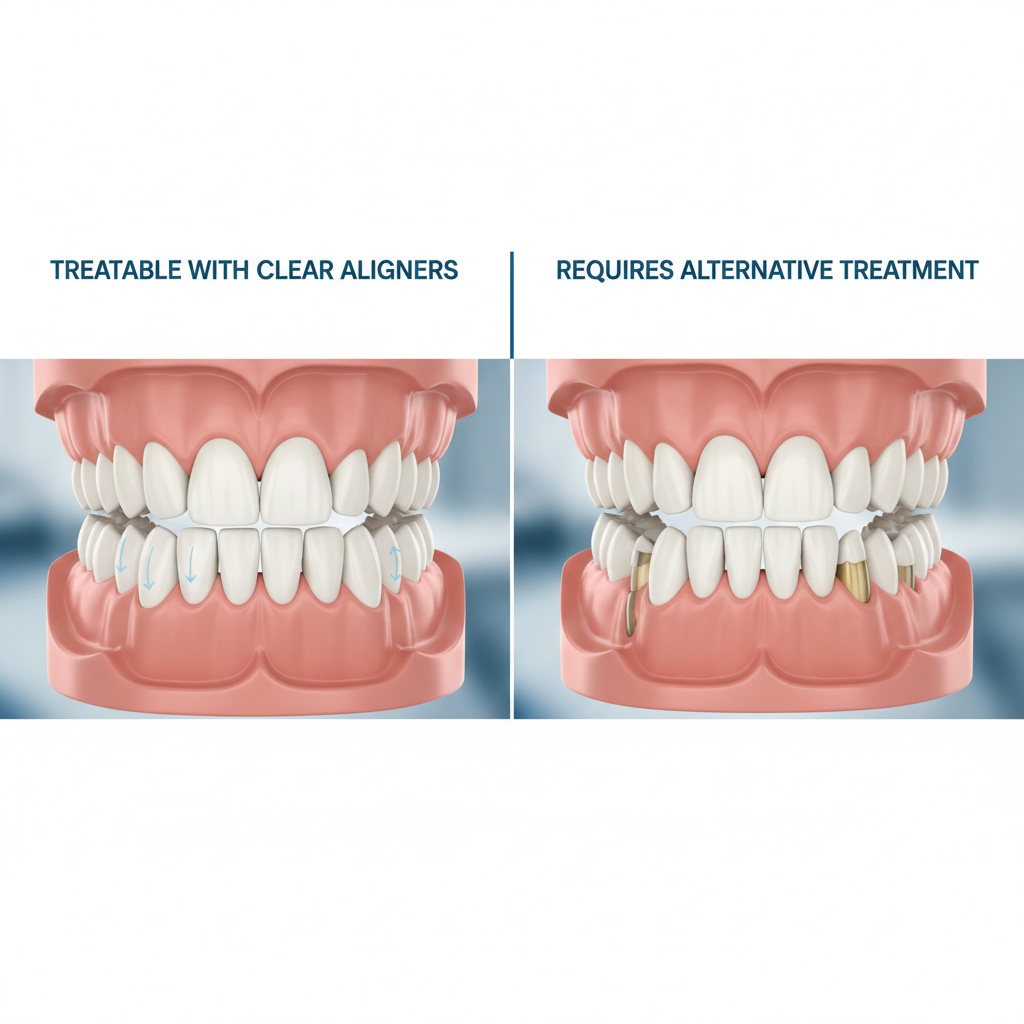
Invisalign treatment in San Jose is highly effective for mild to moderate crowding. If your teeth overlap slightly or twist in small ways, trays can gradually guide them into alignment.
Gaps between teeth are also commonly corrected. Small spaces often close efficiently with controlled pressure.
Bite concerns such as overbite, underbite, and crossbite can often be improved when the case is not severe. Many adults who had braces years ago and notice shifting can use aligners to correct relapse.
Cases That May Require Alternative Treatment
Severe rotations, especially when a tooth is significantly turned, may not respond as predictably. Significant jaw misalignment involving skeletal discrepancies often requires more advanced orthodontic solutions.
Complex cases with multiple overlapping concerns sometimes benefit from traditional braces or combined approaches.
The best way to know is through evaluation. Not every smile is the same, and candidacy depends on careful assessment.
The Real Pros and Cons You Should Consider
Benefits
The most obvious benefit is appearance. The trays are nearly invisible in daily conversations.
They are removable, which means easier brushing and flossing. Oral hygiene stays simpler compared to navigating around brackets.
Digital planning increases predictability. You can see projected outcomes before treatment begins.
Limitations
Aligners must be worn 20 to 22 hours daily. Success depends heavily on compliance.
Discipline matters. Forgetting to wear trays consistently delays results.
Some cases require small tooth-colored attachments bonded to teeth for better grip. These are subtle but present.
Finally, this approach is not ideal for every orthodontic condition. Understanding both sides helps you decide with realistic expectations.
How Long Does Invisalign Take for Most Patients?
Most cases fall between 6 and 18 months. Minor spacing may resolve in under a year. Moderate crowding or bite correction takes longer.
Treatment length depends on complexity, how much movement is needed, and how consistently you wear your trays. Patients who follow instructions closely often stay on schedule.
Refinement trays are sometimes needed at the end. These fine-tune small details to improve precision.
Regular check-ins ensure progress remains on track. The timeline is not fixed for everyone, but discipline significantly impacts efficiency.
Is Invisalign Worth the Investment Long Term?
Confidence often increases when teeth align properly. Many patients report feeling more comfortable smiling in photos or speaking in public.
Beyond aesthetics, straighter teeth are easier to clean. Improved hygiene reduces the risk of decay and gum problems.
Bite correction can also reduce uneven wear and strain on certain teeth. That may help prevent future complications.
Retention is essential after active treatment. Wearing retainers preserves results and protects the investment of time and effort.
For many patients, the long-term oral health benefits make the commitment worthwhile.
What to Expect During Your First Consultation in San Jose
Your visit begins with a digital scan. This creates a detailed 3D model of your teeth and bite.
Next, you will see a smile simulation. This preview shows projected tooth movement from start to finish.
Your provider will review the plan, explain expected timelines, and answer questions clearly. You will understand how many trays may be needed and what daily commitment looks like.
The conversation may include scheduling, insurance, and payment planning, but the focus remains on suitability and outcomes.
At Almaden Valley Smile Design, consultations aim to educate rather than pressure. The goal is clarity. You leave knowing whether Invisalign treatment in San Jose fits your situation and what the next steps would involve.
Common Mistakes to Avoid Before Starting Invisalign
Not wearing aligners for enough hours is the most common issue. Consistency drives results.
Skipping tray changes or switching too early disrupts planned tooth movement. Losing trays creates setbacks. Keeping a protective case handy helps prevent that.
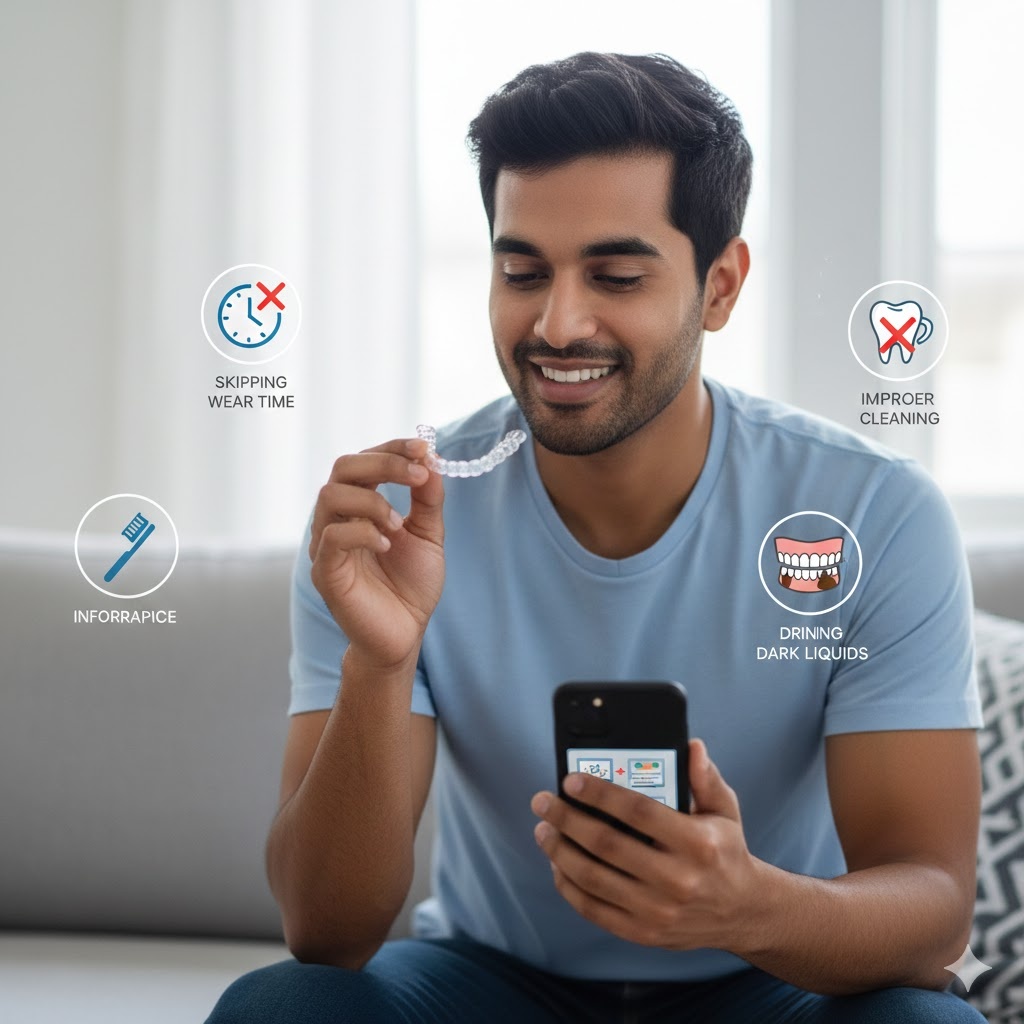
Ignoring follow-up visits reduces oversight and may delay refinements. Finally, neglecting retainers after treatment can reverse progress.
Awareness of these mistakes makes the process smoother from the beginning.
Who Is the Best Candidate for Invisalign?
Responsible teens who can follow instructions often do well with removable trays. Working professionals who prefer discreet orthodontic care frequently choose this option.
Adults correcting minor relapse from past braces are excellent candidates. Patients seeking subtle alignment without visible hardware often find this approach appealing.
Motivation and consistency matter more than age.
Invisalign vs Traditional Braces: A Practical Comparison
When comparing Invisalign to traditional braces, the first noticeable difference is visibility. Aligners are made from transparent plastic and sit closely against your teeth, making them far less noticeable in conversations, meetings, or social events. Braces, even ceramic ones, are still visible due to brackets and wires attached to the teeth.
Removability is another major distinction. Aligners can be taken out while eating, brushing, and flossing. Braces remain fixed throughout treatment. This fixed design can limit flexibility and require dietary adjustments.
Comfort also varies. Smooth plastic trays tend to cause less irritation to cheeks and lips. Braces use metal or ceramic brackets connected by wires, which can sometimes create soreness or require emergency visits if a wire shifts.
Hygiene tends to be easier with removable trays because you brush and floss normally. With braces, cleaning around brackets requires extra tools and attention.
Food restrictions are minimal with aligners since you remove them while eating. Braces often require avoiding hard, sticky, or crunchy foods. The right choice depends on your case complexity and lifestyle preferences.
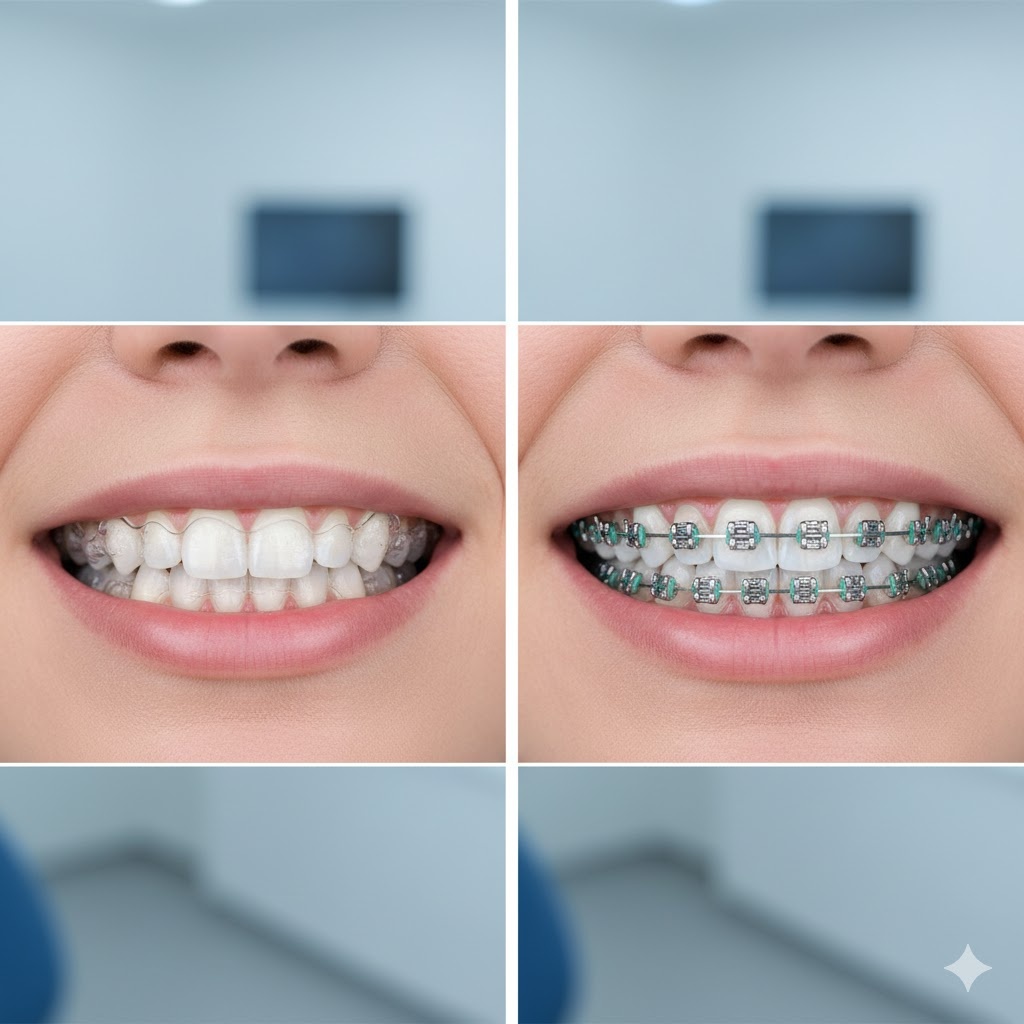
Choosing orthodontic care is personal. It depends on your goals, daily habits, and willingness to commit.
For many San Jose residents balancing professional life and social activities, Invisalign treatment offers flexibility and subtlety. But success requires consistency and realistic expectations.
If you are considering starting, schedule a consultation at Almaden Valley Smile Design. An evaluation provides clarity and helps you make an informed decision based on your specific needs.
The best choice is the one that fits your lifestyle and supports long-term oral health.
People Also Ask
Can Invisalign fix bite problems?
Yes, it can correct many mild to moderate bite issues, including overbite, underbite, and crossbite. Severe jaw misalignment may require alternative orthodontic options.
How often are follow-up visits required?
Most patients visit every 6 to 8 weeks. These appointments allow your provider to monitor progress and provide new trays if needed.
Are the results permanent after Invisalign?
Results can last long-term with proper retainer use. Without retention, teeth may gradually shift back over time.
Will Invisalign affect my speech?
Some patients notice a slight lisp during the first few days. Most people adjust quickly as the tongue adapts to the trays.
Is Invisalign safe for adults over 40?
Yes, age is not a limiting factor. Healthy gums and bone support are more important considerations than age when determining candidacy.