6472 Camden Ave, Suite 100, San Jose, CA 95120

If you’ve noticed your smile feeling different after 60, you’re not imagining it. Understanding why your teeth change after 60—and what you can do in San Jose—is the first step toward protecting your oral health. Aging brings real, predictable shifts in your mouth. The good news is that most of these changes are manageable with the right care and support.
At Almaden Valley Smile Design, Dr. Clara Andirious works with patients in San Jose who are navigating exactly these kinds of changes. This guide will walk you through what to expect and how to respond confidently.
How Aging Affects Your Mouth After 60
Your mouth is not immune to the aging process. Teeth naturally become more brittle over the decades. Enamel wears down, and the nerves inside teeth shrink—sometimes making problems harder to detect early.
Gum tissue also changes with age. Recession becomes more common, exposing the softer root surfaces of teeth. These roots lack the hard enamel coating that protects the crown of a tooth. That makes them significantly more vulnerable to decay.
Saliva production often decreases after 60 as well. Many common medications—including blood pressure drugs, antidepressants, and antihistamines—list dry mouth as a side effect. Less saliva means fewer natural defenses against bacteria and acid buildup.
- Enamel erosion accelerates with age and acidic foods
- Gum recession exposes unprotected root surfaces
- Dry mouth from medications increases cavity risk
- Bone density in the jaw can gradually decrease
- Existing dental work like fillings may wear out or crack
Dry Mouth and Root Decay: What San Jose Seniors Should Know
Dry mouth is one of the most underappreciated dental concerns for adults over 60. Without enough saliva, bacteria thrive. Acid lingers on tooth surfaces far longer than it should.
Root decay—also called root caries—is a direct result of this environment. When gums recede and roots are exposed, decay spreads quickly along the softer root surface. It’s often painless at first, which is why regular checkups matter so much at this stage of life.
Fluoride treatments and prescription-strength toothpaste can help protect exposed roots. Staying hydrated and chewing sugar-free gum also stimulates saliva flow. Small daily habits make a meaningful difference over time.
If root decay progresses too far, a root canal treatment may be necessary to save the tooth. Dr. Andirious approaches this procedure with care and precision, prioritizing patient comfort throughout.
Gum Recession and the Case for Restorative Options
Gum recession doesn’t just affect appearance—it affects function and sensitivity too. Exposed roots are more sensitive to temperature and pressure. Eating and drinking can become uncomfortable without proper treatment.
When teeth are damaged beyond what a filling can fix, dental crowns offer reliable restoration. A crown covers the entire visible tooth, restoring its shape, strength, and appearance. This is a common solution for heavily worn or cracked teeth in older patients.
If a tooth is missing or must be extracted, a dental bridge can fill the gap. Bridges use neighboring teeth as anchors and restore the ability to chew normally. They also prevent surrounding teeth from shifting out of alignment.
- Crowns restore cracked or severely worn teeth
- Bridges replace one or more missing teeth without surgery
- Both options prevent further bone and gum deterioration
- Modern materials look and feel natural in your smile
For patients interested in improving both function and appearance, Cosmetic Dentistry offers solutions that go beyond basic repair. These treatments can address discoloration, chips, and shape concerns that often accompany aging.
Dental Implants After 60: Are You a Candidate?
Dental implants are widely considered the gold standard for replacing missing teeth. They function like natural tooth roots and help preserve jawbone density. Many patients over 60 are excellent candidates for implants.
The key factors are bone density and overall health. Some patients require a bone graft before implant placement. Dr. Andirious evaluates each case carefully to ensure the best possible outcome.
Implants support long-term oral health in ways that dentures cannot fully replicate. They don’t shift, don’t require adhesives, and allow you to eat a full range of foods comfortably. For many San Jose seniors, implants represent a life-changing investment in quality of life.
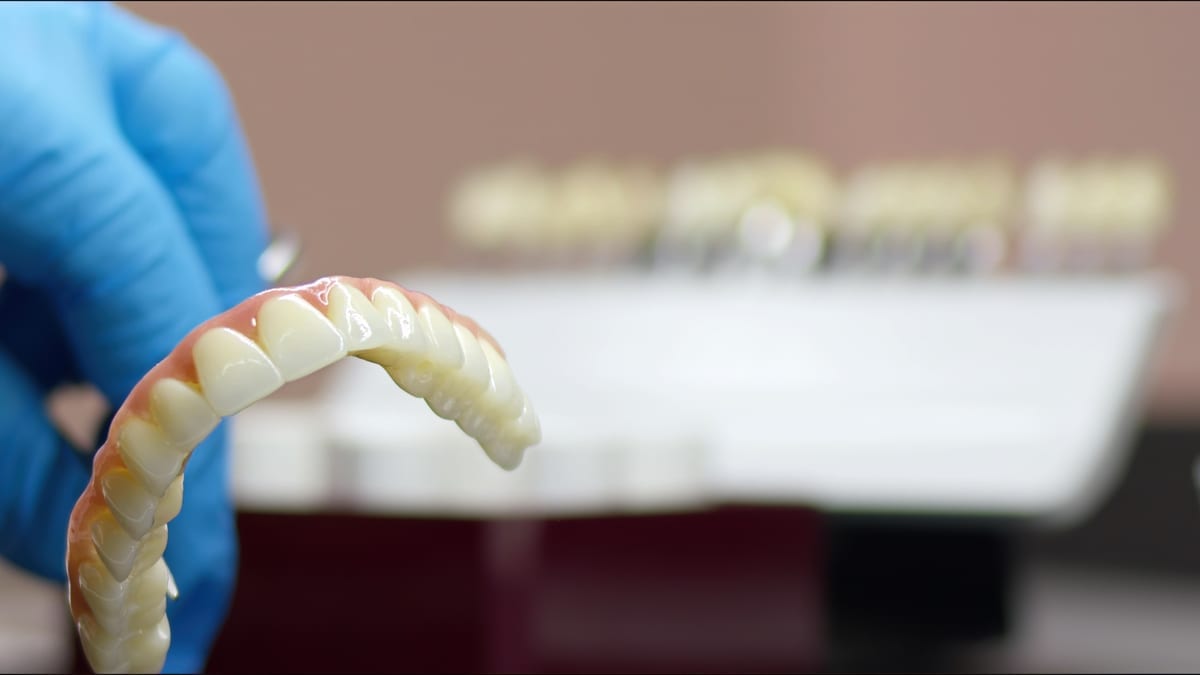
Dentures remain a valid option for patients who are not implant candidates. Modern denture technology has improved significantly. Properly fitted dentures can restore confidence and function effectively.
Protecting Your Smile Through Preventive Care
Prevention remains the most powerful tool in senior dental care. Professional teeth cleaning removes tartar and plaque that brushing alone cannot reach. Routine visits allow Dr. Andirious to catch problems early—before they become costly or painful.
At-home care also needs to adapt as you age. Soft-bristle toothbrushes and fluoride toothpaste are essential. Water flossers can be easier to use for patients with arthritis or dexterity challenges.
For patients who want to address discoloration or surface wear, Dental Lumineers And Veneers offer a minimally invasive way to refresh your smile. These thin porcelain shells bond to the front surface of teeth, covering stains and minor imperfections effectively.
Teeth whitening is another popular option for brightening a smile affected by decades of use. Professional whitening is safer and more effective than over-the-counter alternatives. It’s a simple way to restore brightness without altering tooth structure.
Taking Action for Your Oral Health in San Jose
Understanding why your teeth change after 60—and what you can do in San Jose—empowers you to make proactive decisions. Aging does not have to mean accepting a declining smile. With the right dental partner, you can maintain strong, healthy teeth well into your later years.
Dr. Clara Andirious and the team at Almaden Valley Smile Design are committed to helping San Jose seniors thrive. Whether you need a simple cleaning, a crown, or a full smile evaluation, compassionate and skilled care is available. Book Now to schedule your appointment with our team.
Frequently Asked Questions
Why do teeth become more sensitive after age 60?
As you age, gum recession exposes the root surfaces of your teeth. These roots lack the protective enamel layer found on the crown. This exposure makes teeth more sensitive to hot, cold, and sweet foods or drinks. A dentist can recommend desensitizing treatments to help manage the discomfort.
What medications cause dry mouth, and how does it affect dental health?
Many common medications cause dry mouth, including blood pressure drugs, antidepressants, diuretics, and antihistamines. Dry mouth reduces saliva, which normally washes away bacteria and neutralizes acid. Without enough saliva, tooth decay and gum disease become more likely. Staying hydrated and using saliva substitutes can help reduce this risk.
Are dental implants safe for seniors over 60?
Yes, many people over 60 are excellent candidates for dental implants. Success depends on factors like bone density, gum health, and overall medical history. Some patients may need a bone graft before placement. Dr. Andirious evaluates each patient individually to determine the safest and most effective treatment plan.
How often should patients over 60 visit the dentist?
Most adults over 60 benefit from dental visits every six months. However, patients with dry mouth, gum disease, or a history of frequent cavities may need to visit more often. Regular checkups allow early detection of root decay, gum recession, and other age-related concerns before they become serious.
Can veneers or cosmetic treatments work for older patients?
Absolutely. Cosmetic treatments like veneers and Lumineers are suitable for many older patients. They can cover discoloration, chips, and minor surface wear that accumulates over decades. Dr. Andirious will assess your gum health and tooth structure to ensure cosmetic options are appropriate for your specific situation.